Advice from someone who's actually sat in the chair.
Steve Iribarne has spent decades responsible for engineering organizations: delivery, budgets, teams, releases and production systems. Not as a consultant. As the person accountable for results.
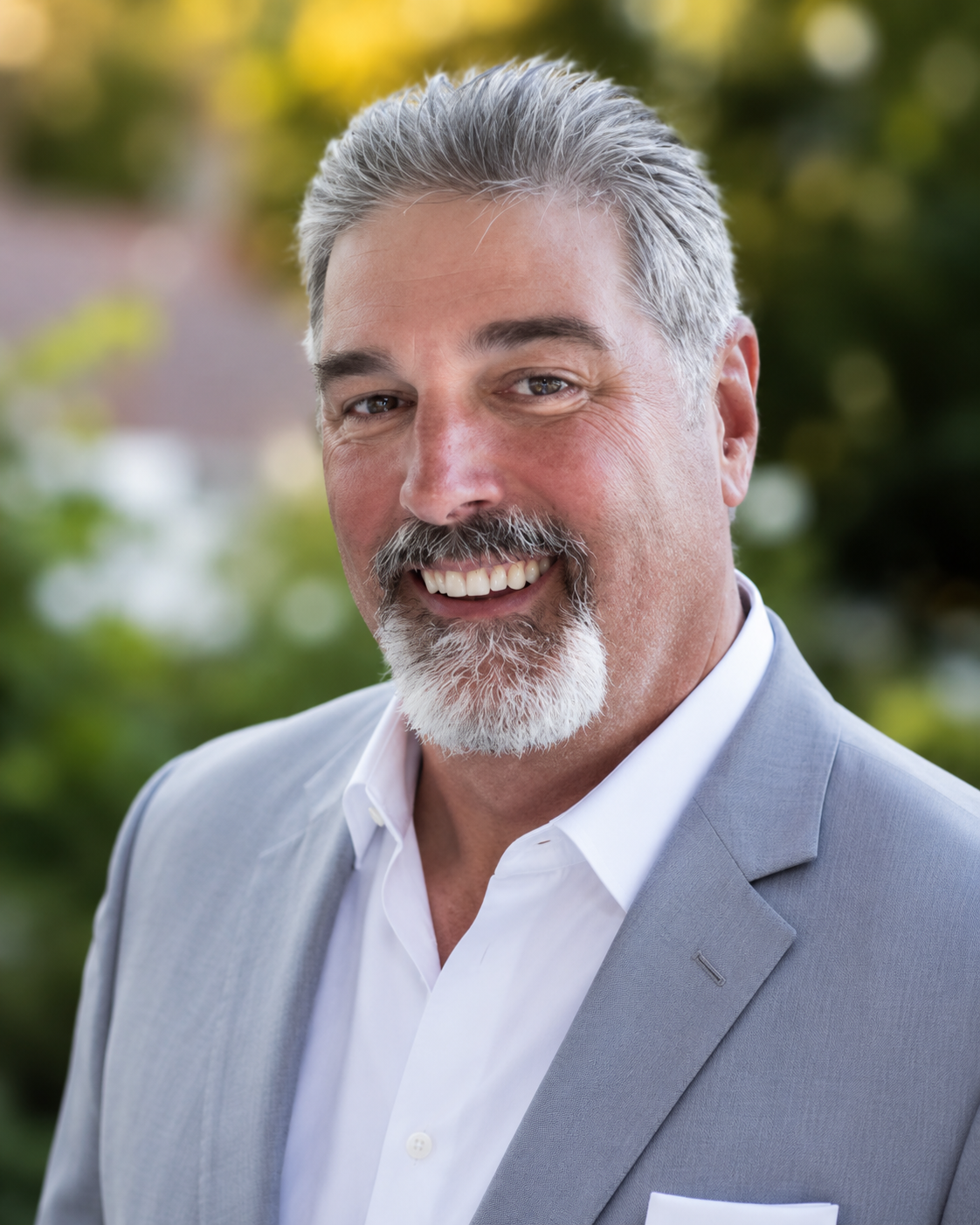
Stephen "Steve" Iribarne
Founder, BuildRhythm
Not a consultant. An operator.
Most technology consultants have never run an engineering organization. They've studied them, advised them, and sold frameworks to them. But they've never been the person who has to answer when a release slips, a production system goes down, or a board wants to know why the roadmap isn't moving.
Steve Iribarne has been that person. For decades, he held executive engineering and operations leadership roles responsible for delivery, teams, budgets, production systems, and the organizational dynamics that determine whether an engineering organization performs or struggles.
That experience is the foundation of BuildRhythm. The advice isn't theoretical. It comes from having made the decisions, lived with the consequences, and learned what actually works in real engineering organizations under real pressure.
I've been the person accountable for delivery. That changes how you see the problems and what you recommend.
Career background
Ventacity/Fujitsu/Rheem
VP AIRSTAGE Cloud Engineering & Operations
Led engineering and operations for a SaaS building management system. Responsible for product delivery, cloud operations, QA, DevOps, and distributed engineering teams.
BigFoot Biomedical
Director of Software Engineering
Led R&D and engineering efforts for connected Type 1 and Type 2 diabetes solutions. I helped develop an integrated diabetes management ecosystem centered on a mobile-connected, ultra-low-power insulin delivery platform. My responsibilities included secure medical-device architecture, embedded systems, real-time operating systems, and development within FDA-regulated requirements.
Eastbay Software Group, LLC
Founder, Principal Engineer
Led a 4-person embedded systems consulting firm delivering end-to-end product development across medical, IoT, robotics, and energy markets. I designed safety-critical medical firmware, intelligent control systems, autonomous robotics, and secure connected-device platforms. I worked directly with founders and product teams to turn early-stage concepts into reliable, production-ready products.
Areas of expertise
- VP-level engineering and operations leadership
- Large distributed, nearshore and offshore teams
- Global SaaS platforms and cloud operations
- Agile, DevOps and QA process design at scale
- Predictable release processes for complex systems
- Engineering and Product alignment
- Board and executive communication on technology
How Steve thinks about engineering organizations
Systems, not people
Engineering organizations rarely fail because of bad people. They fail because of bad systems: unclear ownership, fragmented processes, poor visibility, and accumulated process debt that makes delivery unnecessarily difficult. Fix the system, and good people deliver great results.
Targeted changes, not transformation
Most engineering organizations don't need a massive transformation program. They need the right changes in the right places. The goal is to find the small number of changes capable of creating significant, lasting improvement and implement them.
Rhythm over heroics
Predictable delivery comes from a predictable operating cadence, not from working harder or adding more process. When an engineering organization has the right rhythm, software ships consistently without requiring heroics from the team.
Practical, not theoretical
Every recommendation is grounded in what actually works in real engineering organizations. Not what looks good in a consulting deck. Not what a methodology prescribes. What actually creates results for real teams under real constraints.
What working with Steve looks like
Every engagement starts with listening. Before recommending anything, Steve invests time in understanding how your specific organization operates: the people, the processes, the dynamics, and the history that explain why things work the way they do.
The recommendations that come out of that process are specific and prioritized. Not a long list of things to improve eventually, but a focused set of changes that will have the most impact, sequenced in a way that creates momentum.
Steve works directly with engineering leaders and their teams. Not through a team of junior consultants. The experience you're engaging is the experience you get.
Let's have a conversation.
If you're a technology leader dealing with delivery problems, let's talk. No pitch. No proposal. Just a conversation about what's happening in your engineering organization.